Copper Non Ferrous Metal Texture
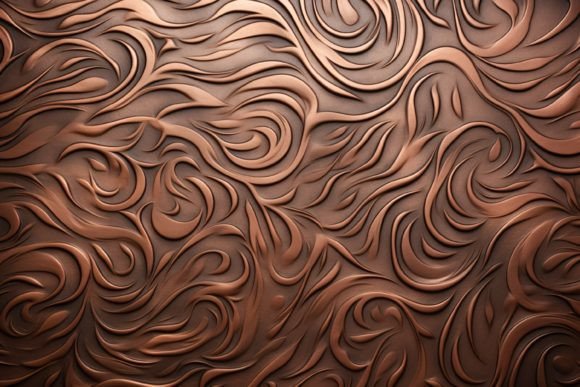
The visual weight of metal carries a unique authority in design. Among the spectrum of industrial materials, copper stands apart not just for its conductivity, but for its warmth. A Copper Non Ferrous Metal Texture offers more than just a color palette; it provides a narrative of age, resilience, and organic change. Unlike steel or iron, copper does not rust in the traditional sense. Instead, it oxidizes, developing a patina that tells the story of its environment. For designers, artists, and creators, this dynamic surface quality is an invaluable asset. It bridges the gap between the cold precision of modern digital tools and the tactile, imperfect beauty of the physical world.
Integrating this texture into your workflow allows you to add depth and character to projects that might otherwise feel flat or sterile. Whether you are designing a brand identity for a heritage brewery, creating a vintage-style wedding invitation, or building a realistic 3D environment for a game, the nuanced gradients of oxidized copper provide a sophisticated backdrop. The key to leveraging this material effectively lies in understanding its versatility. It is not merely a background; it is a design element that can dictate mood, guide attention, and evoke specific emotional responses from your audience.
The Aesthetic Appeal of Oxidation
What makes a copper texture so compelling is its complexity. A flat orange-brown color rarely captures the eye for long. However, a high-resolution image capturing the interplay of bright metallic highlights against deep greens, teals, and dark browns creates visual interest that sustains attention. This variation is crucial for authenticity. In nature, surfaces are never uniform. By using a texture that mimics this natural irregularity, you ground your digital creations in reality.
For graphic designers, this means moving beyond solid colors and simple gradients. When you apply a Copper Non Ferrous Metal Texture to a layout, you introduce micro-contrast. These subtle shifts in tone help separate foreground elements from the background without relying on heavy drop shadows or harsh borders. It creates a sense of layering and dimensionality that feels organic rather than constructed. This is particularly effective in editorial design, where the goal is often to keep the reader engaged over long periods. The texture provides a visual rhythm that prevents fatigue.
Practical Applications for Designers and Marketers
The utility of this texture extends across various disciplines. For marketers and small business owners, packaging is a critical touchpoint. A label wrapped in a digital representation of aged copper suggests premium quality, tradition, and craftsmanship. It works exceptionally well for products related to artisanal foods, spirits, cosmetics, and handmade goods. When customers see this aesthetic, they subconsciously associate the product with durability and value.
In the realm of web design and blogging, background textures must be handled with care. They should support content, not compete with it. A Copper Non Ferrous Metal Texture can serve as an excellent blog background if used correctly. The trick is opacity and overlay. By reducing the opacity of the texture or placing a semi-transparent white or dark layer over it, you retain the atmospheric quality of the copper while ensuring text remains legible. This approach adds personality to a website without sacrificing usability or accessibility.
For social media managers, these textures offer a quick way to elevate static posts. Instead of posting a plain quote on a solid color, overlaying the text on a clipped mask of copper adds immediate visual hierarchy. It frames the message, giving it weight and importance. This is especially useful for Instagram carousels or Pinterest pins, where standing out in a crowded feed is essential.
Crafting and Physical Projects
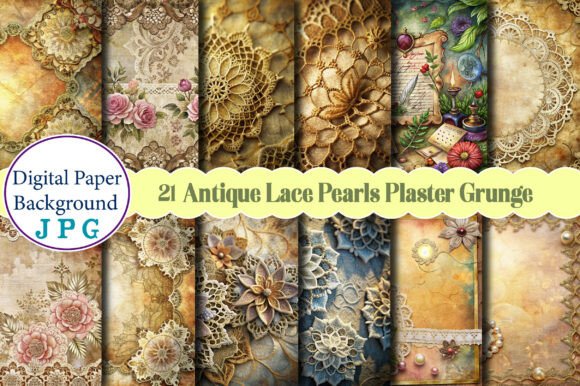
Digital assets are not limited to screens. High-resolution files, such as the 3000x2000 px JPGs available at 300 DPI, are perfectly suited for physical printing. Crafters and hobbyists can utilize these images for scrapbooking backgrounds, journal covers, and card making. Printing a copper texture onto high-quality cardstock can simulate the look of real metal embossing at a fraction of the cost. This is ideal for creating vintage-style wedding invitations, anniversary cards, or decorative bookplates.
Papercraft enthusiasts can use these textures to create realistic props for dioramas or model sets. By printing the texture on thin paper and adhering it to cardboard structures, you can simulate pipes, roofing, or machinery parts with convincing realism. The high resolution ensures that even when viewed up close, the grain and patina details remain sharp and believable. This technique is also popular among educators creating historical displays or science project boards, where visual accuracy enhances the learning experience.
- Journaling: Use as cover pages or dividers to add a steampunk or industrial vibe.
- Wrapping: Print on large format printers for unique gift wrap that stands out.
- Wall Decor: Create vintage wall stickers or decals for home offices and studios.
- Collage: Cut out shapes from printed textures to add metallic accents to mixed media art.
3D Modeling and Digital Art
For 3D artists and game developers, texture maps are the foundation of realism. While specialized PBR (Physically Based Rendering) maps are often required for high-end rendering, a high-quality photographic reference of a Copper Non Ferrous Metal Texture is an excellent starting point. It can be used to create diffuse maps, roughness maps, or ambient occlusion bakes. The natural variation in the oxidation process provides the noise and detail needed to break up repetitive surfaces on 3D models.
When texturing 3D objects, consistency is key. If you are modeling a series of pipes or mechanical parts, using the same source texture ensures that the aging process looks uniform across the scene. This helps maintain immersion. Additionally, these textures can be projected onto models using clipping masks or UV mapping techniques to highlight areas where wear and tear would naturally occur, such as edges and corners.
Technical Considerations for Best Results
To get the most out of your texture files, attention to technical details is necessary. The provided files are in JPG format, with a resolution of 300 DPI and dimensions of 3000x2000 pixels. This specification is ideal for both high-quality printing and detailed digital work. However, working in RGB color mode means the files are optimized for screen display. If you are preparing files for professional offset printing, consider converting them to CMYK color space to ensure color accuracy, particularly with the subtle greens and blues of the patina.
When using these textures in software like Photoshop, Illustrator, or Blender, leverage blending modes. Modes such as Multiply, Overlay, and Soft Light allow the texture to interact with underlying colors dynamically. Experimenting with these modes can help you achieve the desired level of intensity. For text effects, using the texture as a clipping mask within a shape or typography allows the copper pattern to fill the letters, creating a striking metallic type effect without complex 3D rendering.
Organization is also vital. Keep your texture library sorted by material type and color tone. Tagging files with keywords like "oxidized," "grunge," "industrial," or "vintage" will save time during the creative process. Having quick access to the right texture can streamline your workflow and encourage experimentation.
Finding Inspiration in Materiality
Ultimately, the power of a Copper Non Ferrous Metal Texture lies in its ability to evoke a sense of history. It reminds us of old roofs, ancient statues, and industrial machinery. By incorporating this element into your work, you are tapping into a collective visual memory. Whether you are a freelancer looking to add depth to a client's brand, a teacher creating engaging educational materials, or a hobbyist crafting a unique gift, this texture offers a versatile and impactful solution.
Do not be afraid to mix this texture with other materials. Copper pairs beautifully with wood, leather, and concrete. Combining these elements in your designs can create rich, layered compositions that feel grounded and sophisticated. The goal is not to overwhelm the viewer, but to invite them to look closer, to appreciate the details, and to feel the weight of the material through the screen or paper. Embrace the imperfections, leverage the high resolution, and let the natural beauty of copper elevate your next project.