Easter Bunny Rocker Laser Cut Rabbit: A Practical Guide for Makers and Decor Enthusiasts
The intersection of seasonal decor and digital fabrication has created a vibrant market for customizable home accents. Among the most popular designs this spring is the Easter Bunny Rocker Laser Cut Rabbit. This project combines the charm of traditional holiday motifs with the precision of modern laser cutting technology. For hobbyists, small business owners, and DIY enthusiasts, understanding the nuances of this design is essential before committing machine time and material resources.
This article explores the specific attributes of the Easter Bunny Rocker Laser Cut Rabbit, evaluates its suitability for various skill levels, and compares it to alternative decorative approaches. By examining file formats, material considerations, and assembly requirements, readers can determine if this layered 3D design aligns with their current projects and capabilities.
Understanding the Design Structure and Appeal
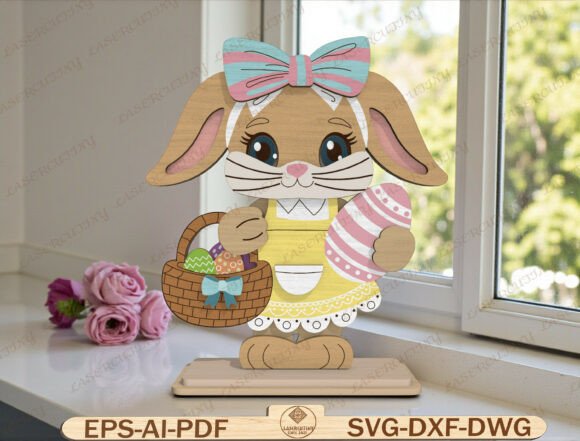
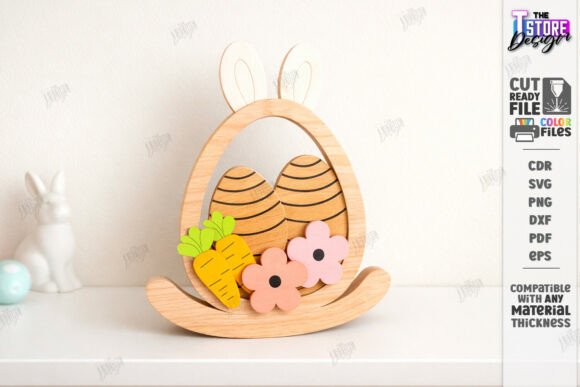
The core appeal of the Easter Bunny Rocker Laser Cut Rabbit lies in its dimensional complexity. Unlike flat decals or single-layer cutouts, this design utilizes a layered approach to create a three-dimensional effect. The "rocker" element implies a curved base, allowing the figure to stand independently on tabletops, shelves, or mantels without additional support structures. This functionality makes it a versatile piece of nursery decor or a centerpiece for spring gatherings.
The design typically incorporates multiple layers of plywood or acrylic. These layers are stacked to give depth to the bunny’s features, such as its ears, face, and body contours. The inclusion of an Easter egg motif often complements the rabbit, reinforcing the seasonal theme. For creators, the distinction between cut lines and engrave lines is critical. In standard files provided for this design, red lines usually indicate where the laser should cut through the material, while black lines denote areas for surface engraving. This separation allows for intricate detailing, such as facial features or texture patterns, without compromising the structural integrity of the rocker base.
File Formats and Software Compatibility
One of the most significant technical considerations when purchasing or downloading digital assets like the Easter Bunny Rocker Laser Cut Rabbit is file compatibility. Most reputable designers provide a comprehensive zip archive containing multiple formats, including SVG, EPS, PNG, PDF, and DXF. Each format serves a different purpose within the workflow of digital fabrication.
- SVG (Scalable Vector Graphics): Widely supported by consumer-grade machines like Cricut and Silhouette, as well as many laser software platforms. However, SVGs can sometimes suffer from scaling issues or node distortion when imported into certain professional laser programs.
- DXF (Drawing Exchange Format): Often considered the gold standard for laser cutting software such as LightBurn. If you are using LightBurn, it is highly recommended to use the DXF file format. Users have reported that LightBurn may distort dimensions when processing SVG files, leading to parts that do not fit together correctly during assembly. DXF files tend to preserve geometric accuracy more reliably in this environment.
- EPS and PDF: Useful for graphic design applications like Adobe Illustrator or CorelDRAW. These formats allow for easy editing of vector paths before sending the job to the laser cutter.
- PNG: A raster image format primarily used for reference or sublimation printing. It is not suitable for direct laser cutting paths but can be helpful for visualizing the final product or creating printed inserts.
Before beginning any project, verify that your cutting machine and software are compatible with the provided files. If you encounter issues with specific formats, many designers are willing to assist. It is often worth reaching out via message if you require a different file type or a specific color variation of the PNG for preview purposes.
Material Selection and Assembly Considerations
The choice of material significantly impacts the final aesthetic and durability of the Easter Bunny Rocker Laser Cut Rabbit. Plywood is the most common medium for this type of project due to its affordability, ease of cutting, and natural warmth. Birch plywood, in particular, offers a fine grain that takes engraving well and provides a clean edge when cut. However, makers must account for material thickness. Layered designs rely on precise stacking; if the plywood varies in thickness from the specified design parameters (often 3mm or 1/8 inch), the alignment pins or slots may not fit snugly.
Acrylic is another viable option, offering a sleek, modern look with vibrant color possibilities. However, acrylic requires different laser settings and ventilation considerations compared to wood. Additionally, the adhesive method used during assembly matters. Wood glue provides a strong bond for plywood but requires clamping time. Cyanoacrylate (super glue) works faster for acrylic but can leave visible residue if not applied carefully. For a child-safe nursery decoration, ensuring that all adhesives are non-toxic and fully cured is paramount.
Comparing Layered Laser Designs to Alternatives
When deciding whether to pursue the Easter Bunny Rocker Laser Cut Rabbit, it is helpful to compare it with other decorative options available to consumers and creators.
Flat Laser Cutouts vs. Layered 3D Designs
Flat cutouts are simpler to produce and require less material. They are ideal for ornaments or wall hangings where depth is not a priority. However, they lack the visual impact and stability of a rocker design. The layered approach of the Easter Bunny Rocker adds perceived value and craftsmanship, making it more suitable as a standalone tabletop display. The tradeoff is increased production time and material cost, as well as the need for careful assembly.
Handcrafted Wood Carving vs. Laser Cutting
Traditional wood carving offers unique, organic textures but requires significant skill and time. Laser cutting provides consistency and speed, allowing for the replication of intricate details that would be difficult to achieve by hand. For small businesses looking to scale production during the busy spring season, the laser-cut approach is far more efficient. However, it lacks the one-of-a-kind character of hand-carved pieces.
Digital Printing vs. Physical Fabrication
Printed paper or cardboard decorations are inexpensive and easy to store. Yet, they are fragile and often perceived as disposable. A plywood Easter craft possesses longevity and can be stored and reused year after year. This durability justifies the higher initial effort and cost for many families and decorators.
Decision Factors: Is This Project Right for You?
Choosing to create an Easter Bunny Rocker Laser Cut Rabbit depends on several factors related to your equipment, skill level, and intended use.
- Equipment Capability: Ensure your laser cutter has a bed size large enough to accommodate the full design. While some designs are compact, others may require larger sheets of material. Additionally, verify that your machine can handle the chosen material thickness.
- Assembly Patience: Layered designs require meticulous alignment. If you prefer quick, single-step projects, this may not be the best fit. However, if you enjoy the process of crafting and assembling, the result is highly rewarding.
- Target Audience: This design is particularly well-suited for nursery decor, kids' tabletop decorations, or spring-themed gifts. Its cute, animal-centric aesthetic appeals to families. If your target market prefers minimalist or adult-oriented decor, you might consider adjusting the design elements or choosing a different motif.
- Customization Potential: One advantage of digital files is the ability to modify them. You can adjust sizes, change engraving depths, or even combine elements from different designs if you have vector editing skills. This flexibility allows for a unique product that stands out from mass-produced items.
Troubleshooting and Best Practices
To ensure success with your Easter Bunny Rocker Laser Cut Rabbit, consider these practical tips. First, always perform a test cut on scrap material. This helps verify focus height, power, and speed settings before committing to your final piece. Second, pay close attention to the kerf—the width of the material removed by the laser. If parts are too tight or too loose, adjust your design offsets accordingly.
If you are using LightBurn, remember the earlier note about file formats. Switching to DXF can resolve many unexpected dimension errors. Furthermore, keep your lens clean and your air assist functioning properly to minimize charring on the edges of the plywood. Post-processing, such as light sanding or applying a clear sealant, can enhance the appearance and protect the wood from moisture.
For those interested in expanding their collection, following designers who specialize in seasonal laser cut files can provide access to future releases. Many creators offer bundles or complementary designs, such as matching eggs or baskets, which can enhance the overall display. If you have specific questions about file modifications or color requirements, do not hesitate to contact the designer directly. Clear communication can often lead to customized solutions that better fit your specific needs.
In conclusion, the Easter Bunny Rocker Laser Cut Rabbit represents a balanced blend of tradition and technology. It offers a tangible, durable alternative to disposable decor while providing a manageable project for laser cutting enthusiasts. By understanding the technical requirements and comparing them against your own resources and goals, you can make an informed decision about incorporating this charming design into your spring celebrations.