Strategic Application of Painter Artist Numbers in Modern Design and Branding
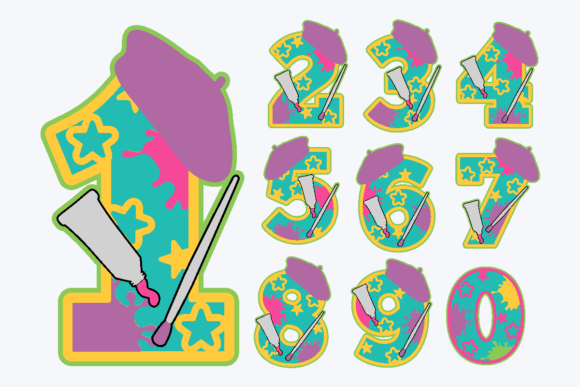
In the landscape of digital design and physical product creation, the distinction between a generic output and a professional-grade asset often lies in the precision of the underlying elements. Painter Artist Numbers represent more than a simple typographic choice; they are a foundational component for creators who require consistency, scalability, and aesthetic versatility across multiple mediums. Whether you are developing branding materials for a small business, creating educational tools, or designing personalized gifts, the strategic deployment of high-quality numerical assets can significantly enhance the perceived value of your final product.
The availability of these numbers in scalable vector graphics (SVG) format transforms them from static images into dynamic design tools. By utilizing a collection that includes numbers 0-9 in a zipped folder, designers gain the flexibility to manipulate size, color, and layering without compromising resolution. This technical advantage is critical for professionals who need to adapt a single design concept across various platforms, from large-format banners to intricate cake toppers.
Understanding the Strategic Value of Vector-Based Numerals
Vector files, particularly SVGs, are the industry standard for cutting machines and scalable print media. Unlike raster images (such as JPEGs or PNGs), which pixelate when enlarged, SVGs use mathematical paths to define shapes. This means that a number designed for a small sticker can be scaled up for a storefront sign without any loss in quality. For entrepreneurs and marketers, this scalability translates to cost efficiency and brand consistency.
The Painter Artist Numbers collection specifically offers a 3D layered structure. This is not merely an aesthetic feature but a functional one. In design software like Silhouette Studio or Cricut Design Space, layers allow for the creation of depth and shadow effects. When applied to physical products, such as paper crafts or vinyl decals, these layers enable the creator to produce items that appear professionally manufactured rather than home-made. The ability to separate these layers provides control over the production process, allowing for multi-color applications or material mixing, such as combining cardstock with acrylic or vinyl.
Optimizing Workflow Across Cutting Machines and Software
For hobbyists and small business owners, time is a scarce resource. The integration of pre-designed, layered SVGs into your workflow reduces the time spent on manual digitization or complex vector tracing. The download includes numbers 0-9, ready for immediate use. However, the strategic advantage comes from understanding how to leverage these files within your specific software ecosystem.
If you are using Silhouette Studio or Cricut Design Space, the layered nature of these files allows for precise alignment. You can assign different colors to each layer to visualize the final cut before sending it to your machine. This pre-visualization step is crucial for minimizing material waste—a key consideration for sustainable business practices. For users of other cutting machines, it is essential to verify compatibility. While SVG is a universal format, some proprietary software may require conversion or specific settings to recognize layered structures. Ensuring your hardware and software can interpret these files correctly prevents production delays and frustration.
- Compatibility Check: Verify that your cutting machine’s software supports multi-layer SVG imports.
- Layer Management: Use color-coding in your design software to distinguish between base, shadow, and highlight layers.
- Material Selection: Choose materials that complement the 3D effect, such as thick cardstock for structural integrity or glossy vinyl for visual contrast.
Diverse Applications: From Commerce to Celebration
The versatility of Painter Artist Numbers extends far beyond simple decoration. Their application can be categorized into several strategic use cases, each offering unique opportunities for value creation.
Commercial Branding and Product Customization
For small business owners, personalized products command higher price points. Using these 3D numbers, you can create customized signage, packaging labels, or promotional items. For instance, a bakery could use these numbers to create elegant birthday cake toppers, adding a premium touch to their offerings. The clean, artistic style of the painter-inspired font appeals to a broad demographic, making it suitable for both modern minimalist brands and traditional, warm-hearted businesses.
In the realm of apparel, these SVGs can be used to print shirts for team events, family reunions, or corporate milestones. The layered design allows for heat-transfer vinyl (HTV) applications where different colors are pressed in stages, creating a durable and professional-looking graphic. This level of detail enhances brand perception, signaling attention to quality and design sophistication.
Educational and Developmental Tools
Educators and parents can utilize these numbers to create tactile learning aids. Large, cut-out numbers made from foam or sturdy cardboard can help young children develop number recognition and counting skills. The 3D aspect adds a sensory dimension to learning, making the experience more engaging. Furthermore, teachers can use these assets to create classroom decorations, calendars, or math manipulatives that are visually cohesive and durable.
Event Planning and Personalized Gifts
In the event industry, customization is key. Wedding planners, party organizers, and individuals hosting birthdays or anniversaries can use these numbers to create cohesive thematic elements. From table numbers to age-specific decorations, the consistent style ensures that all visual components harmonize. The ability to quickly generate high-quality numerals allows for last-minute adjustments and personalized touches that elevate the guest experience.
Strategic Considerations and Risk Mitigation
While the technical ease of using pre-made SVGs is appealing, relying on them without a clear strategic framework can lead to disjointed branding or inefficient production. It is important to approach the use of Painter Artist Numbers with intentionality.
Contextual Relevance: Ensure that the stylistic choice of "painter" aesthetics aligns with your brand identity or the tone of the event. A highly artistic, textured look may not suit a corporate financial report but would be perfect for an art gallery opening or a creative workshop. Misalignment between design style and audience expectation can dilute your message.
Production Feasibility: Before committing to a large-scale project, conduct a test run. Cut a single number to assess the ease of weeding (removing excess material) and assembly. Complex layered designs can be time-consuming to assemble if not planned correctly. Understanding the labor involved helps in accurate pricing and timeline management.
Licensing and Usage Rights: Always review the licensing terms associated with digital downloads. While personal use is typically unrestricted, commercial use may have specific limitations. Ensuring compliance protects your business from legal risks and respects the intellectual property of the creator.
Enhancing Creativity Through Structured Constraints
Paradoxically, having a defined set of assets like the 0-9 number collection can boost creativity. By removing the burden of creating typography from scratch, you free up mental energy to focus on composition, color theory, and material interaction. This structured approach allows for rapid prototyping. You can experiment with different layouts, overlaps, and background textures quickly, iterating towards a superior design outcome.
Moreover, the consistency provided by a unified font family ensures that all your numerical communications—whether on social media graphics, physical products, or printed materials—maintain a coherent visual language. This coherence builds trust and recognition among your audience, a critical factor in long-term brand building.
Conclusion: Intentional Design for Long-Term Results
The adoption of Painter Artist Numbers is not just about acquiring a digital file; it is about integrating a versatile, high-quality tool into your creative and operational toolkit. By understanding the technical advantages of layered SVGs, aligning their use with strategic goals, and considering the practical aspects of production, you can leverage these assets to achieve better results. Whether you are enhancing customer experience through personalized products, improving educational outcomes with tactile tools, or streamlining your design workflow, the thoughtful application of these numbers supports a professional, polished, and purposeful approach to creation.
Remember, the value of any design asset is realized through its application. Approach your projects with clarity, plan your production steps carefully, and use these tools to express your unique vision with precision and impact.